Underground Pipe Installation in Denver, CO
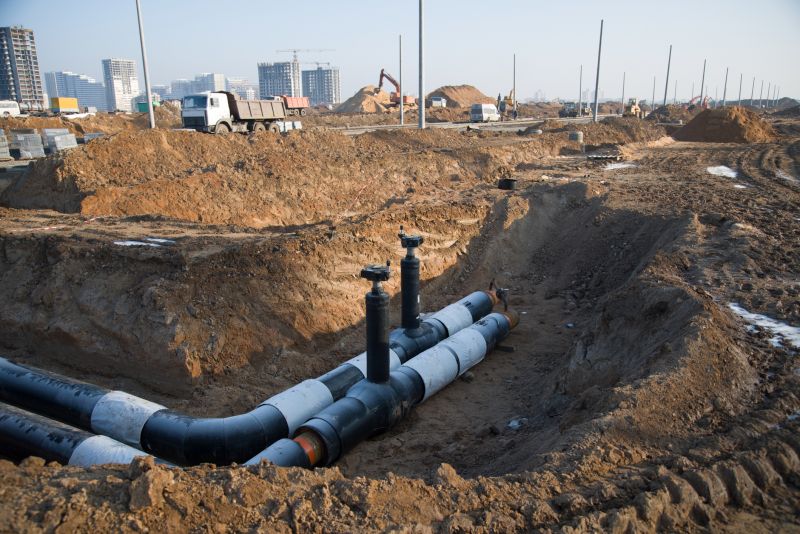
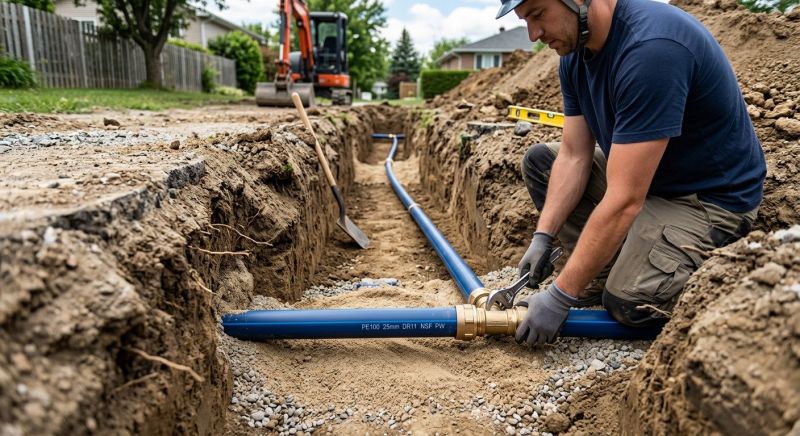
Underground pipe installation services involve placing essential pipelines beneath the surface of a property to support various utilities such as water, sewage, and drainage systems. These projects typically include installing new pipes for residential plumbing, upgrading existing systems, or rerouting lines around obstacles or property features. Property owners often seek this service when planning new construction, remodeling, or addressing issues like leaks, poor drainage, or system failures that require underground piping solutions.
Before requesting underground pipe installation, property owners should consider the scope of the project, including the type of pipes needed and the existing underground conditions. Understanding the location of underground utilities, property layout, and any permits or regulations applicable in the area can help ensure a smooth process. Clear communication about the intended use and future access to the pipes can also contribute to a successful installation that meets ongoing property needs.
Many property owners in Denver, CO look into Underground Pipe Installation for repairs, replacements, upgrades, and appearance-related improvements.
Underground Pipe Installation Basics
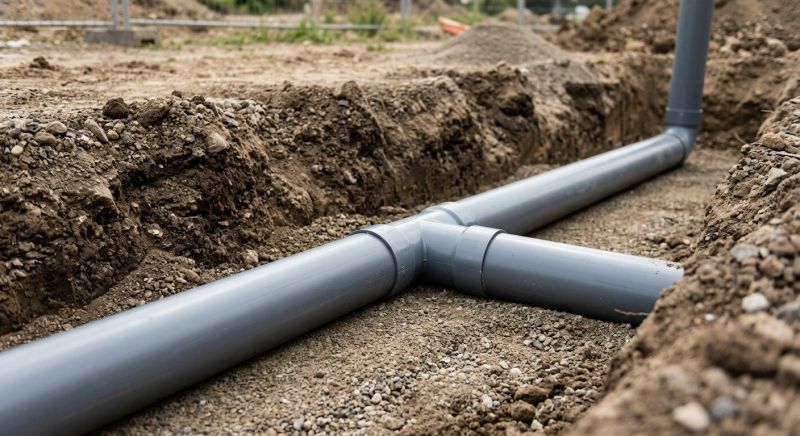
Proper installation ensures reliable water, sewer, and drainage systems for residential and commercial properties.
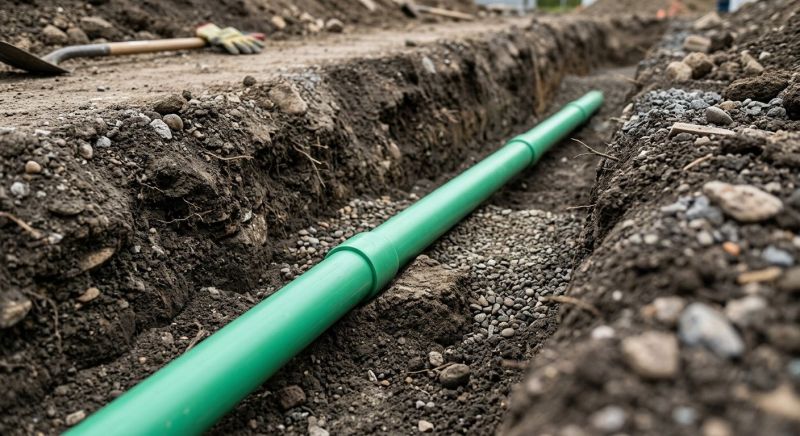
Common Projects And Applications
Services include installing new pipelines for home additions, landscape irrigation, or upgrading aging infrastructure in denver neighborhoods.
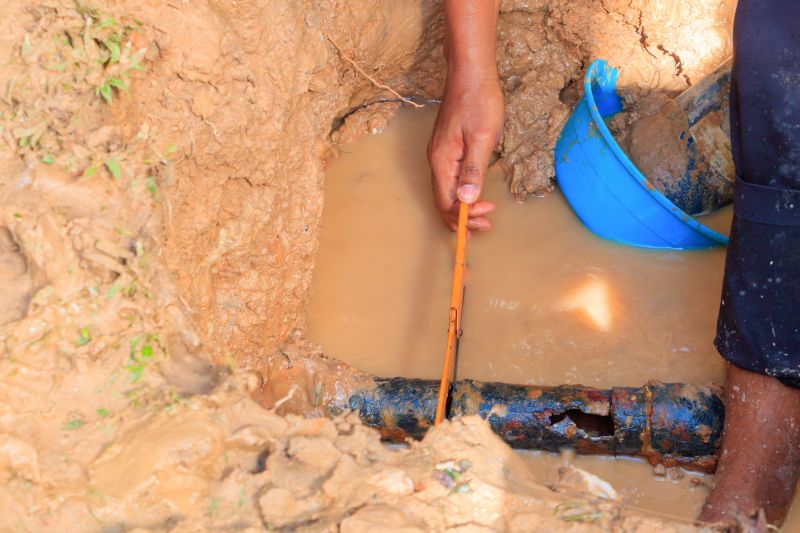
Key Considerations For Property Owners
Factors like soil type, pipe material, and existing utilities influence the installation process and long-term performance.
Underground Pipe Installation in Denver, CO

Underground pipe installation services involve placing essential pipelines beneath the surface of a property to support various utilities such as water, sewage, and drainage systems. These projects typically include installing new pipes for residential plumbing, upgrading existing systems, or rerouting lines around obstacles or property features. Property owners often seek this service when planning new construction, remodeling, or addressing issues like leaks, poor drainage, or system failures that require underground piping solutions.
Before requesting underground pipe installation, property owners should consider the scope of the project, including the type of pipes needed and the existing underground conditions. Understanding the location of underground utilities, property layout, and any permits or regulations applicable in the area can help ensure a smooth process. Clear communication about the intended use and future access to the pipes can also contribute to a successful installation that meets ongoing property needs.
Many property owners in Denver, CO look into Underground Pipe Installation for repairs, replacements, upgrades, and appearance-related improvements.
Common Underground Pipe Installation Jobs
Underground sewer line installation - connects property to municipal or septic systems for reliable waste removal.
Water line replacement - ensures consistent water supply by upgrading underground pipes.
Drainage pipe installation - manages surface and subsurface water flow to prevent flooding.
Gas line installation - safely installs underground gas lines for appliances and heating systems.
Irrigation system piping - lays underground pipes for efficient lawn and garden watering.
Stormwater management piping - directs rainwater away from foundations to protect property stability.
Underground Pipe Installation Questions
What types of underground pipes are typically installed? Common installations include water lines, sewer lines, and drainage pipes for residential and commercial properties in Denver.
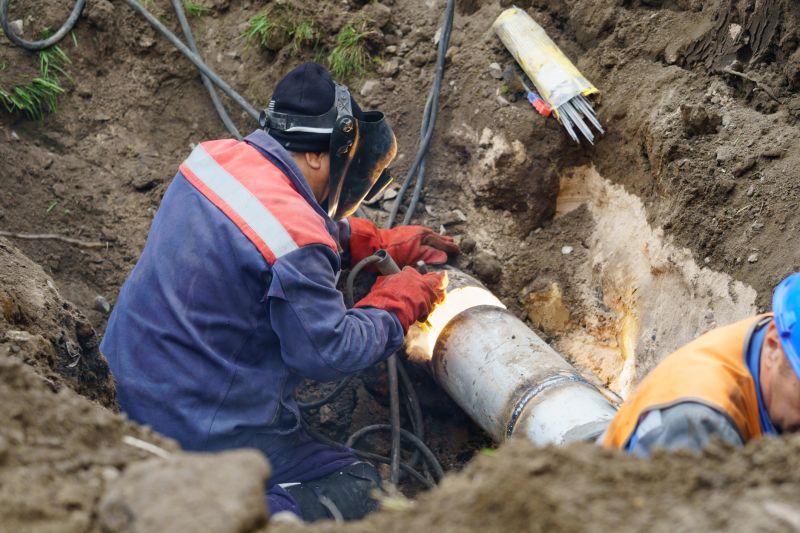
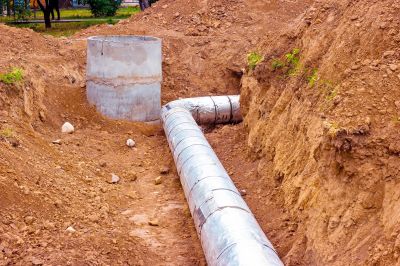
Is trenching necessary for underground pipe installation? Yes, trenching is usually required to lay pipes securely underground, with depth and width determined by the project specifics.
What should property owners consider before installation? It's important to evaluate existing underground utilities, soil conditions, and proper pipe material selection for durability and performance.
How long does underground pipe installation usually take? The duration depends on the project size and scope, but typical installations are completed within a few days to minimize disruption.
Request Underground Pipe Installation in Denver, CO
Use the quote form on this page to share the basics of your project and request more information for the type of work you need.