Understanding Grease Trap Cleaning Costs
Learn how pricing impacts maintenance to keep your system efficient and compliant.
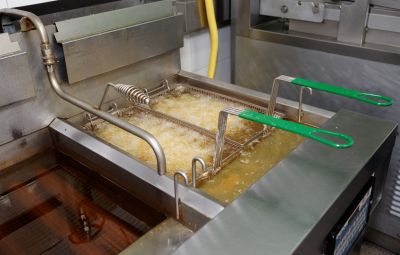
Trap Size and Capacity
Larger grease traps require more extensive cleaning, increasing service costs.
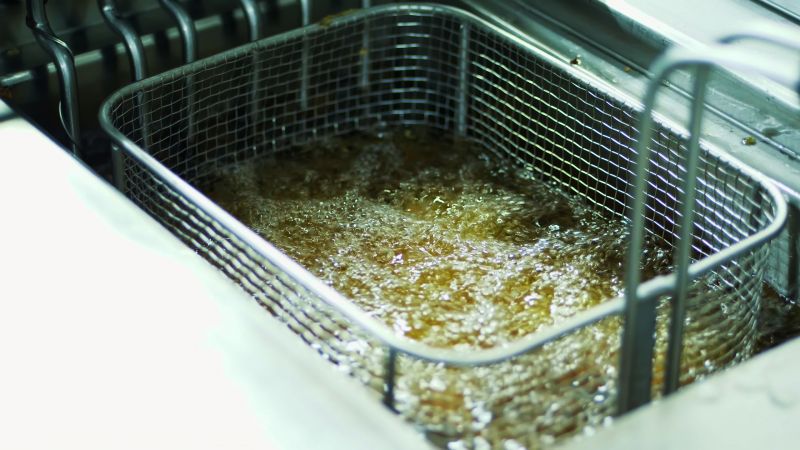
Accessibility and Location
Traps situated in hard-to-reach areas may incur higher service fees due to additional labor and equipment.
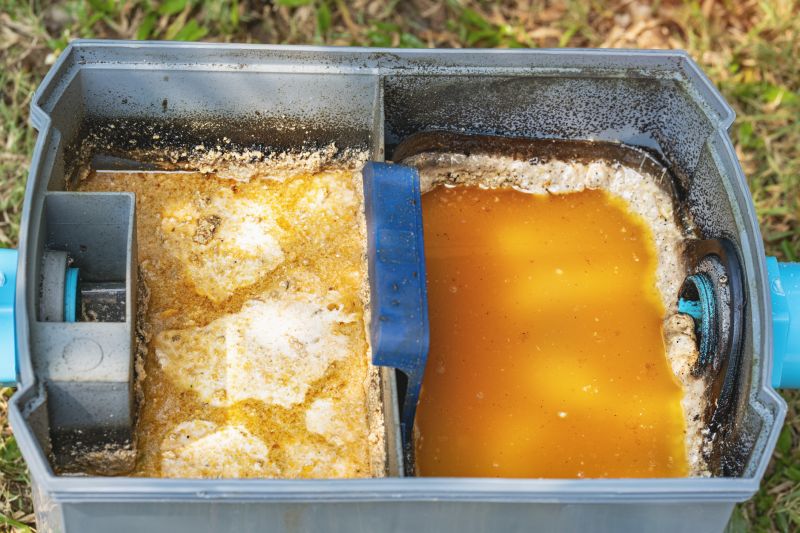
Service Frequency
More frequent cleanings can reduce overall costs but influence per-service pricing.
| Factor | Impact on Cost |
|---|---|
| Trap Size | Larger traps cost more to clean due to increased volume and labor. |
| Location Accessibility | Hard-to-access traps require special equipment, increasing costs. |
| Service Frequency | More frequent cleanings may lower per-visit costs but increase total expenditure. |
| Type of Business | Restaurants and food service facilities typically have higher cleaning costs. |
| Trap Material | Certain materials may require specialized cleaning techniques, affecting pricing. |
| Cleaning Method | Mechanical cleaning can be more expensive than manual methods. |
| Regulatory Compliance | Adherence to local regulations may add to service costs. |
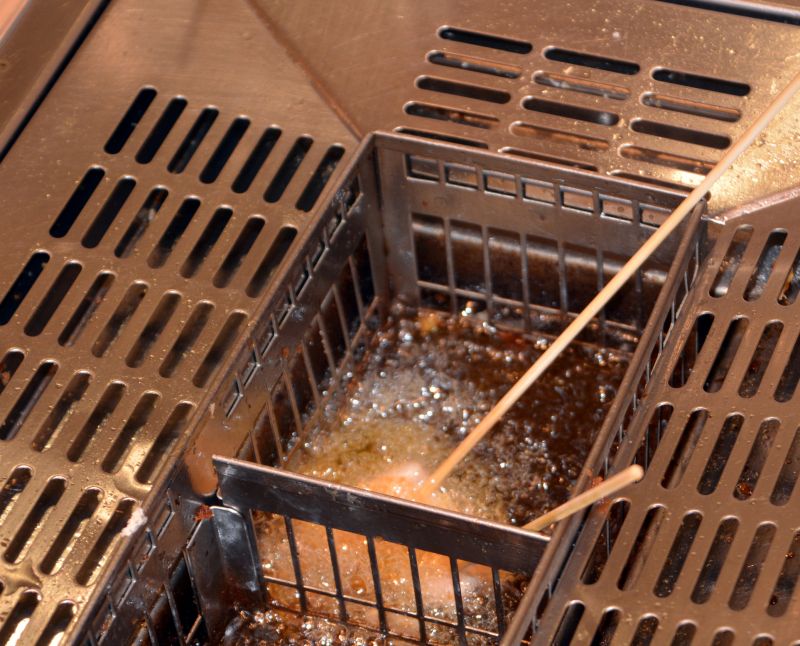
Inside Grease Trap Components
Inspection and cleaning of baffles and filters are essential to maintain trap efficiency.
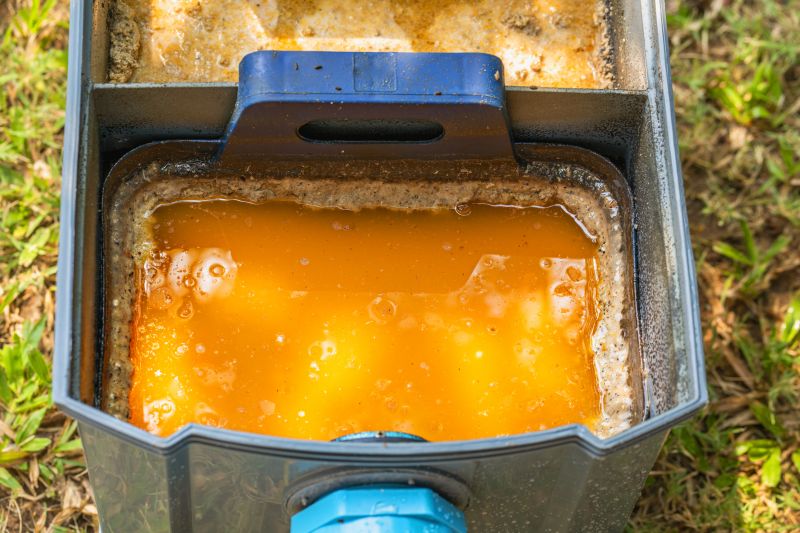
Pump and Extraction Equipment
Specialized machinery is used for efficient removal of grease and solids, influencing costs.
Monitoring Devices
Some traps include sensors or gauges that require calibration and maintenance, affecting pricing.
| Service Type | Average Pricing |
|---|---|
| Basic Grease Trap Cleaning | $150 - $300 |
| Deep Cleaning and Inspection | $300 - $600 |
| Emergency Cleaning | $200 - $500 |
| Filter Replacement | $50 - $150 |
| Baffle Replacement | $100 - $250 |
| Trap Repair Services | $200 - $800 |
| Routine Maintenance Contract | $100 - $250 per month |
| High-Volume Trap Cleaning | $500 - $1,200 |
| Custom Cleaning Services | Price varies based on scope |